
Reviewing Your Event Year: The Metrics That Matter
As the year closes, a proper review sharpens next year's events. Here are the metrics worth tracking and what they tell you.
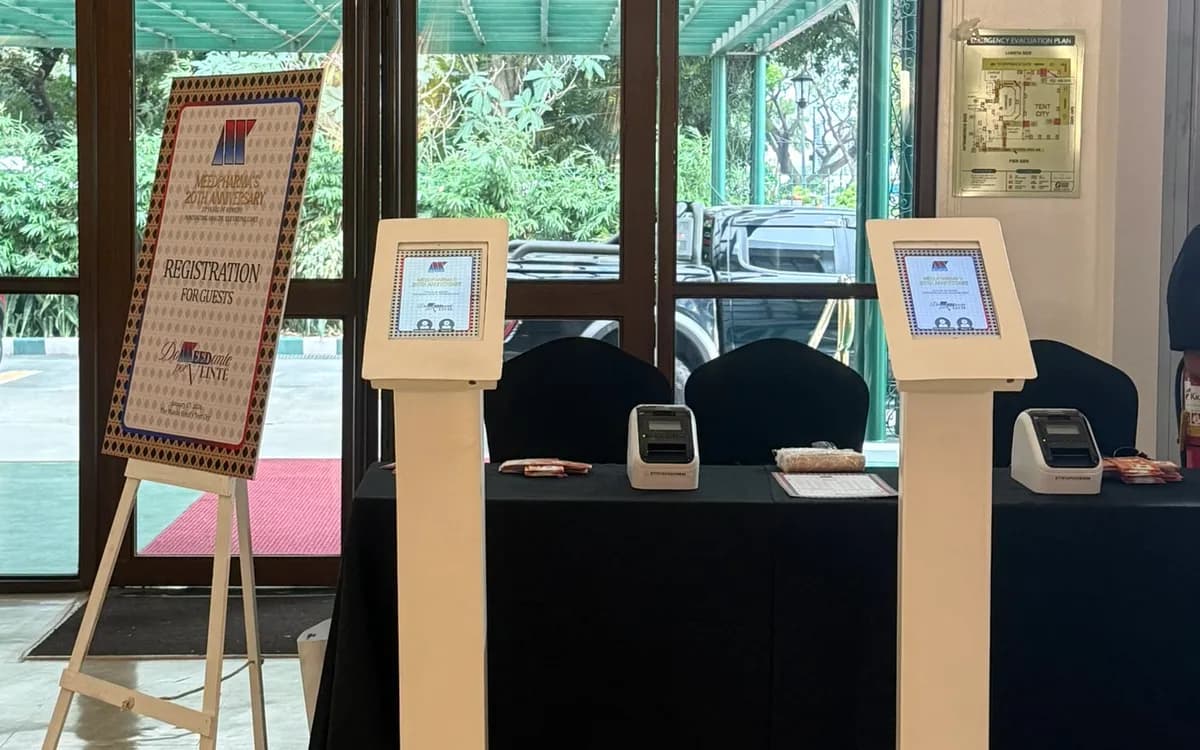
As the year winds down, it is worth doing something most event organizers skip: a proper review of the year's events. Not a vague sense of whether things went well, but an honest look at the numbers. A year-end review, grounded in real metrics, turns a year of individual events into a body of evidence that sharpens everything you do next year.
Here are the metrics that matter and what they tell you.
Attendance Versus Registration
Start with the most fundamental pair: how many people registered for your events, and how many actually attended. The gap between them — your no-show rate — is one of the most telling numbers you have. A high rate across the year points to registration friction, weak reminders, or timing that does not suit your audience.
Look at it event by event and in aggregate. Which events had strong turnout and which underperformed? The pattern reveals what your audience actually values enough to show up for.
Arrival Patterns
Across your events, when did people arrive? If you checked guests in digitally, your timestamps reveal your typical arrival curve. Knowing that, say, most of your guests reliably arrive in a sharp pre-start surge lets you plan next year's staffing and check-in capacity precisely rather than guessing. This single insight can save you from both understaffing and overspending.
Audience Composition and Growth
Who attended your events, and how did that change over the year? Depending on what you captured, you can see which companies, roles, or segments made up your audience, and whether it grew, shifted, or concentrated. For recurring events, tracking this over the year shows whether you are building momentum or plateauing — and whether you are reaching the audience you intend to.
Engagement Within Events
For multi-session events, which sessions, tracks, or activities drew the crowds, and which fell flat? This behavioral data tells you what your audience genuinely cares about, grounding next year's programming in evidence rather than assumption. Keep what worked, cut what did not, and expand what surprised you.
Lead and Business Outcomes
If your events are meant to generate business, measure that. How many leads did you capture across the year? How many converted, or advanced? Which events produced the best-quality opportunities? This connects your event effort to actual outcomes and tells you which events are worth repeating and investing in.
Operational Smoothness
Beyond the guest-facing numbers, review how the events ran operationally. Where did check-in strain? What went wrong, and why? Which suppliers and setups worked well? Capturing these operational lessons — while they are still fresh — is how you avoid repeating the same day-of problems next year.
Cost and Return
Finally, look at what your events cost and what they returned. This need not be a precise accounting, but a clear-eyed view of which events justified their investment and which did not helps you allocate next year's budget and effort where they pay off most.
Turning Review Into Planning
The point of a year-end review is not to grade the past but to improve the future. Once you have gathered these metrics, distill them into a few clear conclusions: what to keep, what to change, what to stop, and what to try. Carry those into next year's planning, and your review becomes a genuine advantage.
This is far easier when your data is clean and accessible. Digital check-in throughout the year gives you accurate attendance, arrival, and audience data automatically, so year-end review is a matter of looking rather than reconstructing.
Make Review a Standing Habit
A year-end review is valuable, but reviewing only once a year means you spend most of the year flying blind. The organizers who improve fastest make review a standing habit — a quick look after every event, a fuller review each quarter, and the comprehensive year-end assessment on top. Frequent, lightweight review lets you catch and correct problems while there is still time to act, rather than discovering at year-end that a pattern went unaddressed for months.
The per-event review need not be heavy: a few minutes noting the key numbers and lessons while they are fresh, captured in a consistent format. This small habit compounds. By the time you reach the year-end review, you are not reconstructing a year from memory but synthesizing a series of contemporaneous notes — far more accurate and far less work. The year-end review becomes a matter of stepping back and seeing the pattern, because the data and lessons were captured all along.
Build the habit into your process so it does not depend on remembering. Make post-event review a fixed step, like packing down the equipment — something that simply happens after every event. Assign someone to own it, use a standard format, and store the results where you will find them. A review habit that is built into how you work survives busy periods and staff changes, whereas a review that depends on good intentions gets skipped exactly when things are hectic and the lessons matter most. The goal is a culture where every event teaches you something and nothing valuable is lost. Reviewing consistently through the year, not just at its end, is what turns a series of events into a genuinely improving practice — and makes each year's events measurably better than the last, rather than merely different.
The organizers who improve fastest are simply the ones who look at their numbers honestly and often. A review done once and filed away changes little; a review habit — quick after each event, fuller each quarter, comprehensive at year-end — compounds into genuine expertise. The data is already there if you capture check-in digitally; the only ingredient you must supply is the discipline to examine it and act on what it shows. Supply that, and each year's events measurably outrun the last.
Close the Year With Evidence
A year of events is a year of evidence about how to run better ones. Review your attendance and no-show rates, arrival patterns, audience composition, engagement, lead outcomes, operational lessons, and costs. Distill them into clear decisions, and you enter the new year planning from knowledge rather than guesswork.
If you run events in Metro Manila, our digital check-in captures the attendance and audience data that makes a real year-end review possible — iPads, stands, and badge printers, delivered and set up by our team. Here is to a well-measured year ahead.
Planning an event?
We deliver and set up iPads, printers, and registration tech across Metro Manila.
Request a quote