
A Practical Checklist for Restarting In-Person Events in 2021
Ready to bring your audience back together? Use this practical checklist to plan a safe, smooth return to in-person events this year.
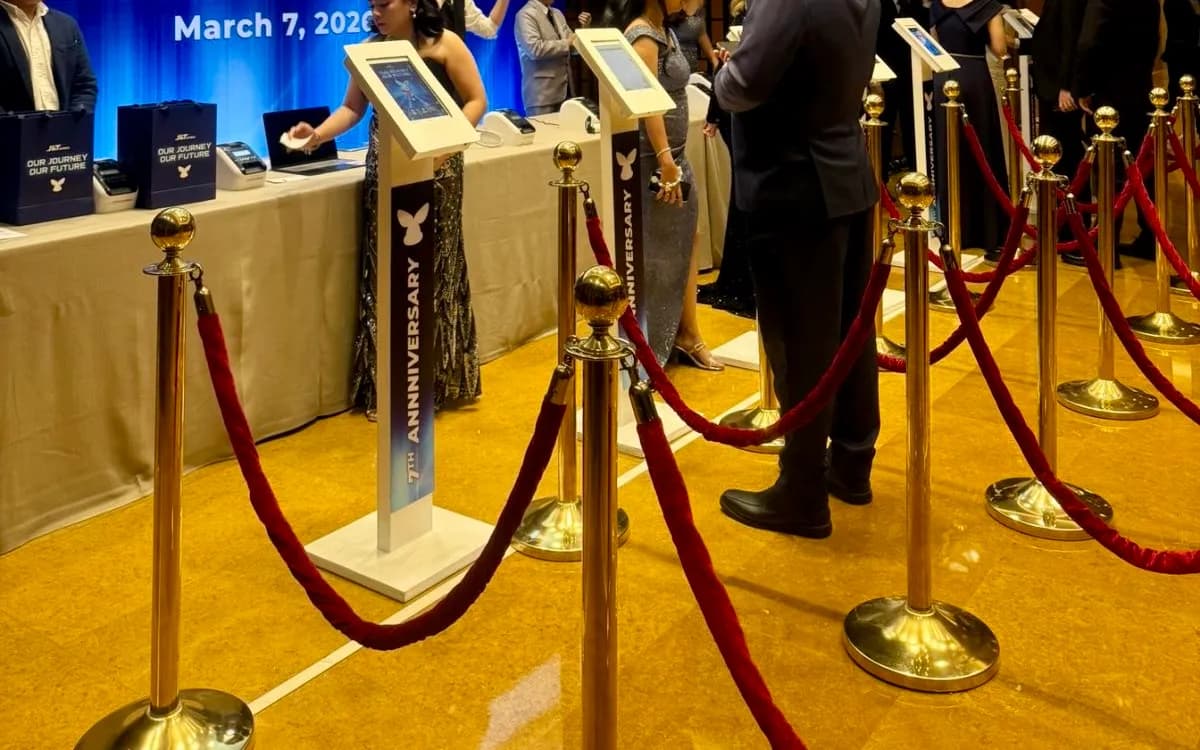
A new year brings cautious optimism for anyone who organizes events. In-person gatherings are returning under careful conditions, and many organizations are dusting off plans that have been on hold. But restarting is not simply a matter of picking up where things left off. The expectations of guests, venues, and staff have changed, and a successful return means planning for the event of today, not the one you last ran.
Use this checklist as a practical guide to bringing your audience back together safely and confidently.
Before You Commit to a Date
Confirm what is currently allowed. Capacity limits, distancing rules, and venue requirements shift over time. Verify the current guidelines for your venue and event type before locking anything in.
Choose a venue with the right footprint. A room that comfortably held your crowd before may now feel tight under distancing rules. Look for spaces with room to spread out, good ventilation, and multiple entry and exit points to avoid bottlenecks.
Set a realistic capacity. Decide your maximum in-person number based on safe distancing, not on how many you can technically fit. If demand exceeds that, plan a hybrid option so no one is turned away.
Planning the Guest Experience
Design a contactless registration desk. Digital check-in on tablets replaces shared sign-in sheets. On-demand badge printing avoids a pile of pre-printed name tags. Both are faster and safer than the old paper approach.
Stagger arrivals. A single start time creates a crowd at the door. Communicate a check-in window or assign arrival slots so guests trickle in rather than surge.
Map the flow. Walk the guest journey from entrance to seat: where they queue, where they check in, where they collect materials, where they sit. Use floor markers and clear signage so people move without clustering.
Plan for spacing in the room. Arrange seating with appropriate gaps, and decide how you will manage shared spaces like buffets, restrooms, and networking areas.
Health and Safety Essentials
- Provide hand sanitizer at the entrance, the registration desk, and throughout the venue.
- Keep high-touch surfaces wiped down, especially around registration.
- Brief staff on distancing, sanitation routines, and how to handle guests gently.
- Have a clear plan for anyone who arrives unwell, and communicate it to your team in advance.
Communicating With Guests Beforehand
Set expectations early. Your confirmation and reminder emails should explain your safety measures: contactless check-in, staggered arrivals, distancing, and anything you require of guests. People arrive calmer when they know what to expect.
Make joining easy. Clear directions, parking information, and a specific arrival time reduce confusion at the door — which in turn reduces crowding.
Offer a remote option where you can. For guests who are not ready to attend in person, a livestream or hybrid format keeps them included and protects your total reach.
The Week Before
Confirm every supplier and delivery. Registration equipment, furniture, catering, audio-visual — verify quantities, delivery times, and setup access. A missing item on the day is far harder to fix than a phone call this week.
Finalize and clean your guest list. Make sure your check-in list is accurate and loaded onto your devices. Reconcile duplicates and confirm spellings so badge printing runs smoothly.
Prepare your team. Assign clear roles: who runs each registration lane, who handles exceptions, who manages the flow of arrivals. Everyone should know their job before they arrive.
On the Day
Set up early and test everything. Arrive with enough margin to install the desk, charge and check every device and printer, and fix small problems calmly.
Run a dry run. Process a handful of test guests through the full check-in flow — pre-registered, walk-in, and a misspelled name — to catch anything before doors open.
Keep the desk staffed through the peak. Your busiest fifteen minutes need full coverage. Do not let team members drift away just as the surge begins.
Watch the data. Digital check-in gives you a live attendance count. Use it to decide when to start and to keep an eye on capacity.
After the Event
- Gather feedback from guests and staff while it is fresh — ask specifically how safe and smooth the experience felt.
- Review what worked and what did not, and write it down for next time.
- Follow up with attendees, share any promised materials, and thank them for coming back.
- Reconcile your attendance data and file it somewhere reliable for future planning.
Budgeting and Suppliers for a Safe Restart
A cautious restart often changes your budget in ways worth planning for. A larger or better-ventilated venue may cost more than the tight space you used before. Distancing may mean more registration lanes and therefore more equipment and staff. Sanitation supplies and signage are new line items. None are expensive on their own, but they add up, and it is better to plan for them than to be surprised.
This is also where renting rather than buying makes sense. If you are running only a handful of events as things reopen, buying tablets, stands, and printers ties up cash in equipment that sits idle between events and dates quickly. Renting gives you exactly what each event needs, delivered and set up, without the storage, maintenance, or upfront outlay.
Confirm supplier availability early, too. As events resume, demand for venues, catering, and equipment rebounds unevenly and sometimes sharply. The organizers who lock in their key suppliers ahead of time avoid the scramble that hits everyone who waits until the last minute. Build your supplier list, get quotes, and reserve what you can as soon as your date is set.
A Confident Return
Restarting in-person events is genuinely exciting. People are ready to be in a room together again, and there is real warmth in welcoming them back. The organizations that make that return feel safe and well-run will earn a loyalty that lasts well beyond this season.
The details on this checklist are not about caution for its own sake. They are what let your guests relax, enjoy the event, and trust you with the next one.
If you are planning your return to in-person events in Metro Manila this year, we can help you set up a safe, contactless registration experience — tablets, stands, and on-demand badge printing — delivered, installed, and, if you like, staffed by our team.
Planning an event?
We deliver and set up iPads, printers, and registration tech across Metro Manila.
Request a quote