
Registration at Scale for Government and Public Sector Events
Public sector events combine large crowds with strict record-keeping. Here is how to run registration that is smooth, accountable, and inclusive.
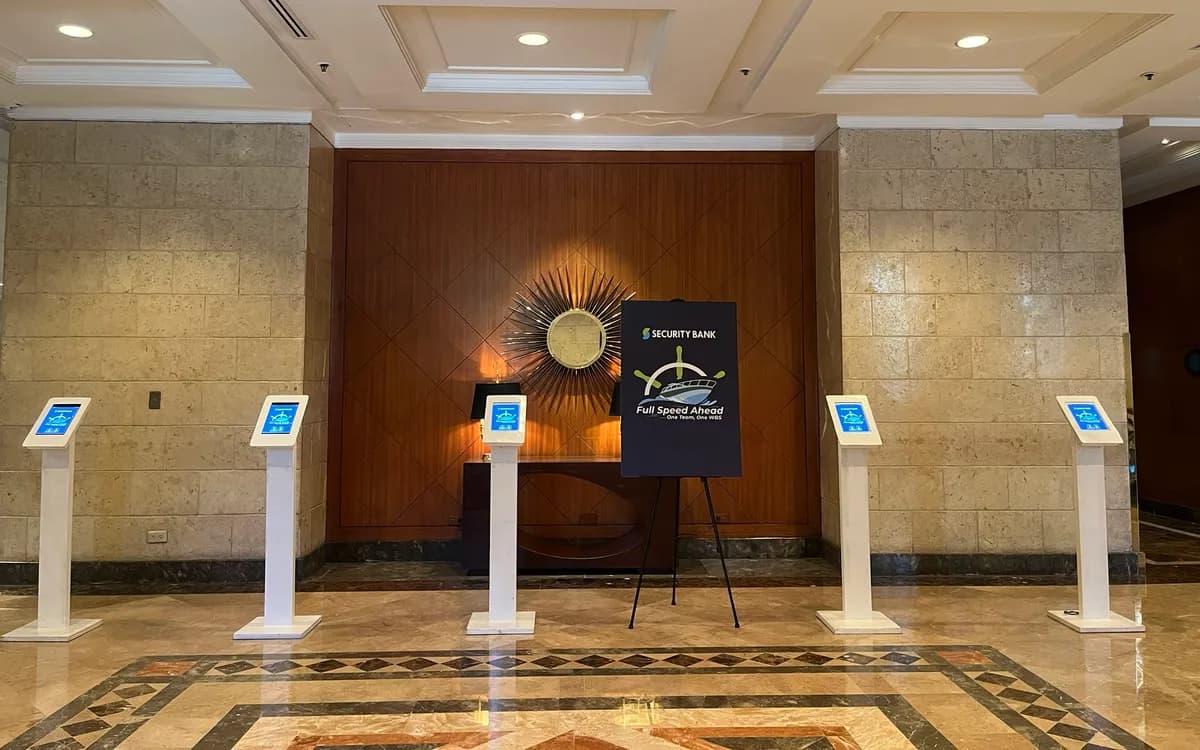
Government and public sector events — public consultations, agency conferences, community programs, official ceremonies, distribution events — combine the challenges of large crowds with the demands of accountability and inclusivity. They must be smooth for the public, accurate for the record, and accessible to everyone. Getting registration right on all three fronts takes deliberate planning.
Here is how to run public sector registration well.
Plan for Large, Diverse Crowds
Public events often draw big, diverse crowds — people of all ages, backgrounds, and comfort levels with technology, arriving in significant numbers. Registration must handle the volume while remaining approachable to everyone. Digital check-in on tablets provides the capacity, with multiple lanes and clear structure to manage the crowd.
Because the audience is diverse, the setup must not assume everyone is tech-savvy. Staffed lanes and human assistance alongside any self-service ensure no one is left struggling at the entrance.
Accountability and Accurate Records
Public sector events frequently require accurate records of attendance — who participated in a consultation, who attended a program, who received a service. Paper sign-in sheets are slow, error-prone, and hard to compile. Digital check-in captures attendance accurately and automatically, producing clean records that support accountability, reporting, and transparency.
This accurate record-keeping is often not optional but required, and digital registration meets the need far better than paper while also being faster for the public.
Inclusivity Is Essential
Public events must serve everyone, which makes accessibility and inclusivity central, not optional. This means accessible kiosk heights and clear paths for guests with disabilities, a human option always available for those less comfortable with technology, signage and assistance in the languages the community uses, and a calm, patient atmosphere at the desk.
An inclusive registration is simply a well-designed one that assumes a diverse public and serves all of them with equal ease and dignity.
Manage the Flow for Large Numbers
When large numbers of the public arrive, flow management prevents chaos. Clear signage guides people to the right place before they reach the desk; well-structured lanes distribute the crowd; a logical layout moves people from entrance to check-in to the event without tangling. Staff actively managing the flow — directing, spotting congestion, keeping order — keep even a large public crowd moving smoothly.
Handle Verification Gracefully
Some public events require verification — confirming eligibility, checking identity, validating registration. This can slow a desk if handled poorly. The key is to streamline it: capture what is needed efficiently, keep verification steps as quick as possible, and separate any slow verification into its own lane so it does not hold up the general flow. Digital tools make verification faster and the resulting record cleaner.
Protect the Public's Data
Public sector registration often involves personal information, and handling it responsibly is both an ethical duty and often a legal one. Use secure tools, capture only what is genuinely needed, and handle the public's data carefully. This protects citizens and maintains the trust that public institutions depend on.
Staff and Prepare Thoroughly
Large public events are staff-intensive and high-stakes. Plan enough staff to handle the peak and assist the public patiently, brief them thoroughly on the process and on serving a diverse crowd, and prepare the setup carefully with power, connectivity, and backups. Public events rarely offer a second chance to make a good impression, so thorough preparation is essential.
Plan for Peak Public Turnout
Public events can draw turnout that is hard to predict and sometimes far exceeds expectations — a well-publicized consultation, a popular program, a distribution event can bring a larger crowd than planned. Planning for peak turnout, with capacity to spare, prevents the chaos and even safety concerns that arise when a public crowd overwhelms an under-sized setup. It is far better to have registration capacity you do not fully use than to be caught short when the public arrives in greater numbers than anticipated.
Build in scalability. Digital check-in with multiple lanes can absorb a larger crowd more gracefully than a fixed paper process, and having the ability to open additional lanes or stations if turnout surges gives you a release valve. Plan where extra capacity would go and how you would deploy it, so a surprise surge is met with a prepared response rather than a scramble. For public events especially, where turnout is uncertain and the stakes of a chaotic entrance are high, this flexibility matters.
Manage the crowd's flow and comfort during peak turnout, too. A large public crowd needs clear signage, orderly queuing, room to wait without dangerous crowding, and staff actively managing the flow. In the Philippine setting, plan also for weather and comfort — shade, water, and shelter for people waiting outdoors can matter for a large public turnout. The goal is that even a bigger-than-expected crowd is served safely, in an orderly way, and with dignity. Public events carry a particular responsibility to handle crowds well, since the people arriving are citizens the institution serves. Planning for peak turnout — with spare capacity, the ability to scale, and thoughtful crowd management — is how you meet that responsibility and keep a large public event smooth and safe rather than overwhelmed. Underestimating public turnout is a common and consequential mistake; planning generously for it is simple insurance against a difficult day.
Serve the Public Well
Government and public sector events must be smooth for large crowds, accountable in their records, and inclusive of everyone. Digital registration meets all three: capacity and flow for the volume, accurate automatic records for accountability, and — designed thoughtfully — an accessible, inclusive entrance for a diverse public. Done well, it reflects well on the institution and serves citizens with the ease and dignity they deserve.
If your agency or organization is planning a public event in Metro Manila, we can help you run registration at scale — iPads, stands, and printers, plus experienced staff — delivered and set up by our team, with accessibility and accurate record-keeping built in.
Planning an event?
We deliver and set up iPads, printers, and registration tech across Metro Manila.
Request a quote