
Keeping Your Community Engaged While In-Person Events Are on Hold
With gatherings paused, event organizers are rethinking how they connect with audiences. Here is how to keep momentum going until it is safe to meet again.
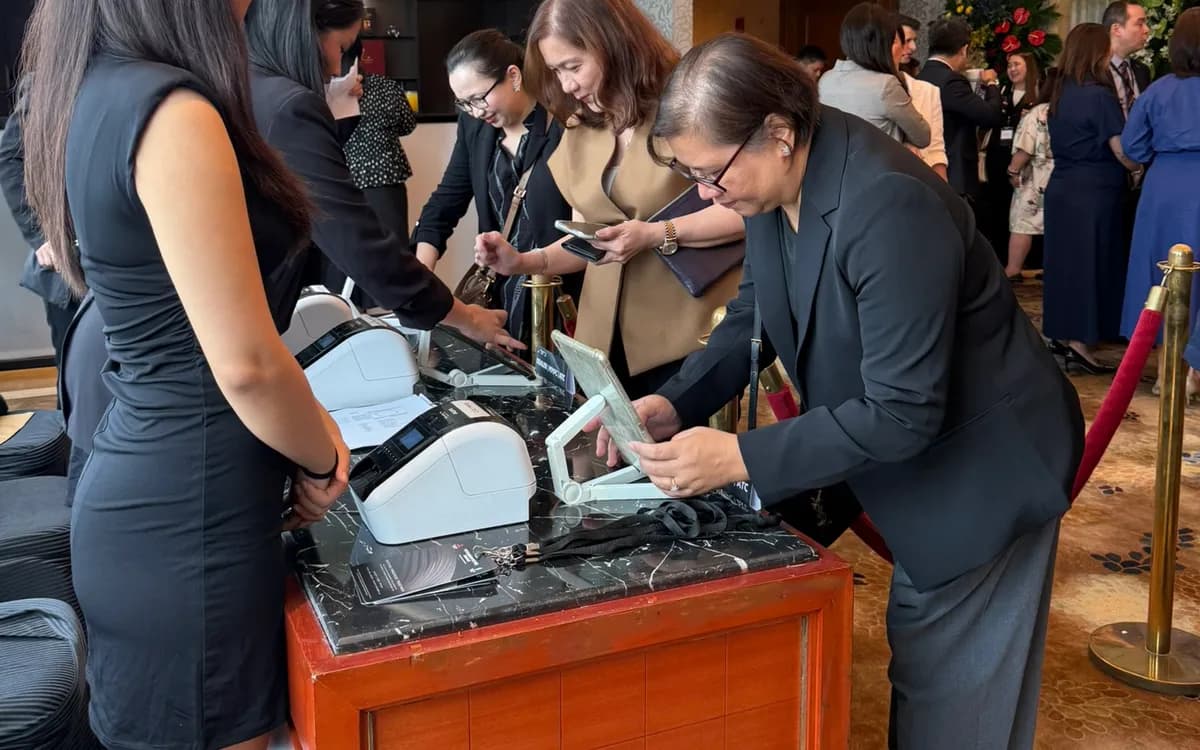
This is an unusual time to be in the events business. Across Metro Manila and the rest of the country, conferences, launches, and gatherings that were months in the planning have been postponed or cancelled. Community quarantine has put in-person events on hold, and no one can say with certainty when large gatherings will feel normal again.
If you organize events for a living or as part of your role, the instinct is to simply wait it out. But the organizations that will come back strongest are the ones that keep their audiences engaged now, so that when doors reopen, their community is still warm rather than starting from zero.
Here is how thoughtful organizers are staying connected while they cannot meet in person.
Move the Conversation Online, Even Modestly
You do not need a full-scale virtual conference to stay present. A regular, lightweight online touchpoint often does more to maintain a relationship than one elaborate production.
Consider a short weekly or fortnightly webinar, a live question-and-answer session with a subject-matter expert, or a recorded talk released on a schedule your audience can rely on. The format matters less than the consistency. People remember the organizations that showed up during a difficult season.
The tools for this are more accessible than ever. Video conferencing platforms have removed many of their limits, and most of your audience is already comfortable joining a call from home.
Rethink What "Registration" Means Right Now
Even online, the fundamentals of good event management still apply. You still want to know who is attending, capture their details accurately, and follow up afterward. Digital registration forms, confirmation emails, and simple reminder sequences keep virtual sessions feeling organized rather than improvised.
This is also a good moment to clean and consolidate your contact lists. Many organizers discover their attendee data is scattered across spreadsheets, email threads, and old sign-up sheets. Bringing it into one reliable place now means you can invite people quickly the moment in-person events return.
Plan for a Phased, Cautious Return
No one expects gatherings to snap back to the way they were. When restrictions ease, the first events are likely to be smaller, more spaced out, and far more mindful of health and safety. Smart organizers are already sketching what that looks like.
Think through questions like: How would you manage capacity if a venue can only hold a fraction of its usual number? How would you reduce shared touchpoints at a registration desk? How would you space arrivals to avoid a crowd forming at the entrance?
You do not need final answers today. But organizations that have thought about a safe, contactless, lower-density event will be ready to move while others are still figuring out where to start.
Use the Quiet Period to Strengthen Your Foundations
A pause in events is a rare chance to work on the things that are always urgent-but-never-important when you are busy running back-to-back programs.
- Document your processes. Write down how your registration, setup, and follow-up actually work, so they are repeatable and not stuck in one person's head.
- Survey your audience. Ask what they miss, what format they would value online, and what would make them comfortable returning in person.
- Deepen relationships with partners and suppliers. The vendors you work with are navigating the same uncertainty. Staying in touch now makes coordination smoother when demand returns.
Support the People Who Rely on Your Events
For many audiences, your events are not just a calendar entry — they are how they learn, network, and find opportunities. A job fair, an industry summit, or a training program has real value in someone's professional life.
Where you can, keep delivering a version of that value online: a virtual networking session, a resource library, a members-only briefing. It reminds your community why they gathered in the first place, and it keeps your organization at the center of that need.
Keep the Team's Skills Sharp
If you manage an events team, this is a natural time for learning. Virtual event production, better use of registration and audience data, and refreshed customer-service standards are all skills that will pay off immediately when in-person work resumes — and they are learnable from home.
Turn Audience Feedback Into a Reopening Plan
If you do one substantive thing during this pause, make it listening to your audience. Send a short survey asking what they miss most, what online formats they would genuinely attend, and — crucially — what would make them comfortable returning to an in-person event. The answers are often surprising and always useful.
You will likely hear a mix of practical concerns and emotional ones. Some people miss the networking and the energy of a room. Others will tell you plainly what safety measures they would want to see before they attend: spacing, contactless check-in, smaller crowds, better ventilation. Treat that feedback as the first draft of your reopening plan.
The organizations that reopen well will not be guessing at what their audience needs. They will already know, because they asked during the quiet period and wrote the answers down. When the time comes to announce your first event back, you will be able to speak directly to the concerns people actually raised — which is the fastest way to rebuild the confidence that fills a room.
Looking Ahead
Events are, at their heart, about bringing people together, and that need has not disappeared. It has simply changed shape for a while. The gatherings will return — first cautiously, then more confidently — and when they do, people will be genuinely glad to be back in a room together.
The organizers who use this period well will be the ones who kept their community engaged, tidied up their foundations, and thought seriously about what a safe return looks like. When it is time to set up a registration desk again, they will be ready to move quickly and welcome their audience back properly.
We are using this time to prepare too, so that when events resume across Metro Manila, we can help you run them safely and smoothly. In the meantime, we are always happy to talk through what a careful return might look like for your organization.
Planning an event?
We deliver and set up iPads, printers, and registration tech across Metro Manila.
Request a quote